Service · ice-machine
Ice machine repair — output loss
Undercounter ice machines that make thin, cloudy or fused cubes, drop production over a season, or stop harvesting — diagnosed by cycle, air path and drain before any part is quoted.
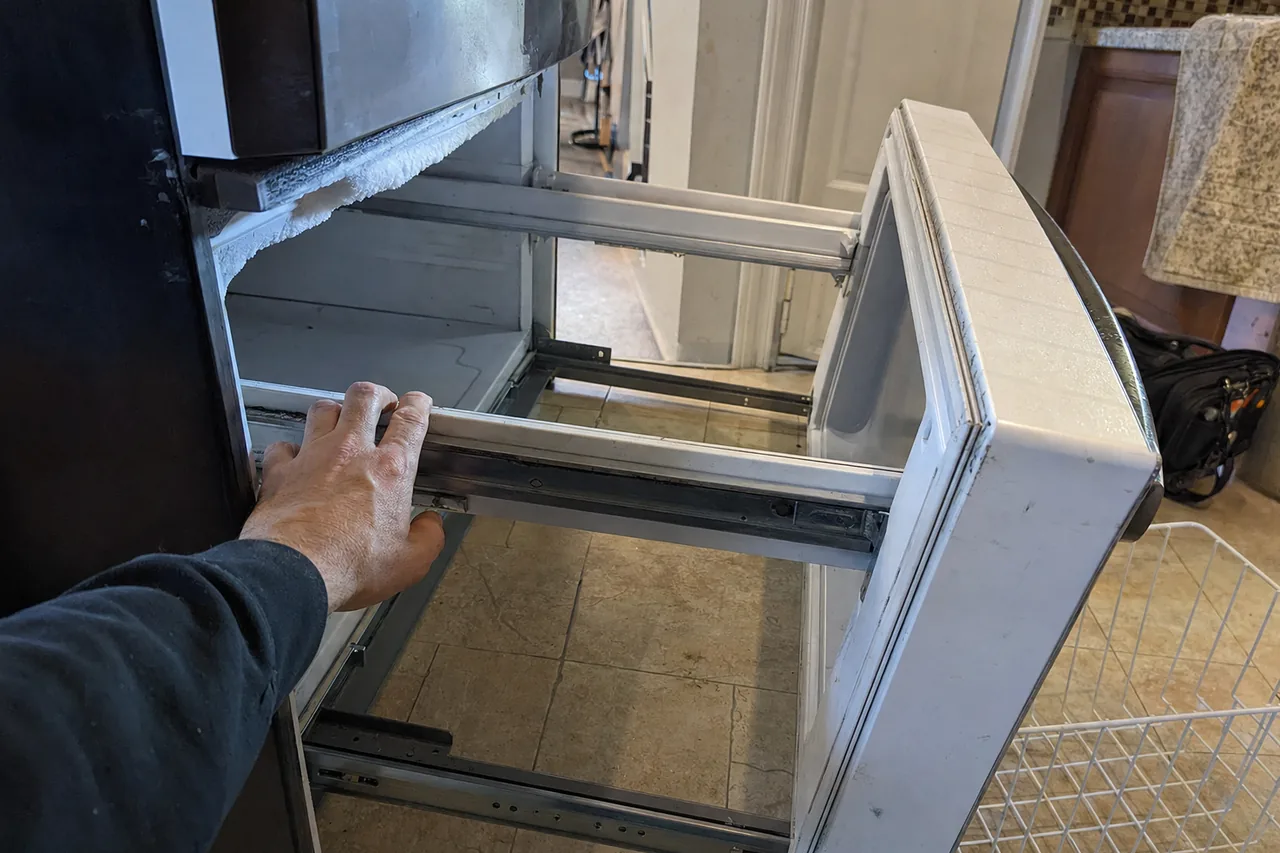
An undercounter ice machine is the most mechanically busy appliance in a professional kitchen. It runs a complete refrigeration cycle, a water circuit and a harvest mechanism, several times an hour, all year, inside a cabinet opening the size of a dishwasher. Most complaints about ice are complaints about one of those three systems, and the first job of a visit is to establish which.
How a clear-ice machine works, and what each stage sounds like
Clear ice is made by freezing water in a thin layer against a chilled evaporator while the rest of the water keeps circulating. That circulation is what makes the ice clear: anything dissolved stays in the moving water instead of being trapped in the cube, which is why the machine purges at the end of a cycle rather than freezing its reservoir solid.
The cycle has four stages, and knowing them turns a vague complaint into a location:
- Fill. The inlet valve admits a metered charge of water. Too little and cells fill unevenly; too much and the machine overflows into the bin.
- Freeze. The pump circulates water across the plate while the evaporator pulls heat out of it. A long freeze cycle points at heat rejection, not at the water.
- Harvest. The machine warms the plate just enough to release the slab or the cubes. A harvest that will not release, or that releases into a jam, is a release-surface, ejector or bin-level problem.
- Purge. The remaining water is dumped so the next cycle starts fresh.
Ask which stage the machine stops in and half the diagnosis is done before the panel comes off.
Faults that are about heat, not water
Undercounter units reject condenser heat forward through a grille, into a cabinet space with very little air in it. A condenser packed with dust and pet hair, or a grille half covered by a custom panel fitted after the machine went in, raises head pressure and lengthens every freeze cycle. Production falls, the unit is warm to the touch, and it looks exactly like a failing machine.
The list we work through is short and testable: condenser surface, condenser fan, free area at the grille, ambient temperature in the cabinet, then the circulation pump, then the water inlet valve, then the bin thermostat or level sensor that decides when to stop. A machine that runs continuously and produces nothing at all, with no gradual decline behind it, points at the sealed system — and opening a sealed refrigeration circuit requires EPA Section 608 certification, which our technicians hold.
Standing water, drains and the bin
Standing water in the bin is a drain fault, not a production fault. The drain is gravity fed and needs continuous fall along its whole run. A line kinked during a cabinet job, run flat across a joist bay, or restricted by biofilm will back up; the ice then melts and refreezes into the sheet people report as a bad freeze cycle. We check fall and flow before we look at anything electrical.
The bin itself is worth attention after any period of disuse. A machine that has sat idle in a warm cabinet has had time to grow biofilm on damp plastic, and the first heavy batch after an idle spell is where that announces itself — usually in the taste of the ice rather than in the quantity of it. Sanitising the bin and the water path are two different jobs and a good service does both.
After a power event
An ice machine is the appliance most likely to make a mess if it fails mid-cycle while nobody is home, and it is a common casualty of the multi-day outages this part of Florida sees after a major storm. A unit restored to power may sit through a protective delay before restarting, and a board that took a transient can fail weeks later rather than that evening. If a machine stopped in the same week the power did, tell us — it changes where we start.
Maintenance that actually works
A rinse is not a descale. A proper service circulates an appropriate, nickel-safe scale remover through the water path for its full contact time, follows it with a sanitiser on the bin and the plastic, and purges completely before the first batch is kept. Household vinegar is too weak to lift an established deposit and household bleach attacks materials the correct chemistry leaves alone.
The interval is worth taking seriously here. JEA publishes tap-water hardness by ZIP, and 32081 reads 372 parts per million, the hardest entry on that table, so mineral accumulates on the release surface and in the distributor faster than a generic manual assumes. That is why we work to a three-month cycle on undercounter machines rather than an annual one, and why a machine cleaned on schedule almost never needs a pump.
What the visit includes
A flat diagnostic, credited toward the repair when you approve it, and a written estimate before any part is ordered. Genuine OEM parts only, under our standard parts and labor terms.
What does a ice machine repair — output loss cost before anyone has seen it?
Two figures decide this, and the schedule below carries both. The first is $80: a technician and a meter in front of the appliance, taken off the bill the moment you approve the repair. The second depends on which band the fault turns out to sit in — parts and labour counted together, this shop's book for St. Johns County, read off jobs of that class rather than off a manufacturer list.
| Band | Parts + labour | What lands in it |
|---|---|---|
| Diagnostic visit | $80 | Flat, credited to the repair when you approve it |
| Compressor or sealed-system repair | $940–$2,440 | compressor · sealed · refrigerant · freezer |
| Refrigeration fan or defrost system | $240–$610 | refrigeration · fan · defrost · cooling |
| Control board or touch panel | $410–$1,030 | board · control · panel · touch |
A written estimate comes before any part is ordered or any labor is billed. A band says where this class of work usually lands. It is not a quote, and three things move a job inside it: how the appliance has to be reached, whether the part is stocked or ordered, and whether the number on the plate has been superseded since. The full schedule and the terms sit on the pricing sheet.
Ice machine repair — output loss — the questions that come up on the phone
- What is the single most useful thing to tell us on the phone?
- Which stage the machine stops in. Fill, freeze, harvest and purge each sound different and each points somewhere different, so a unit that stalls at harvest and one that never fills are two unrelated jobs. Half the diagnosis is done before the panel comes off.
- Is a rinse the same thing as a descale?
- No. A proper service circulates a nickel-safe scale remover through the whole water path for its full contact time, follows it with a sanitiser on the bin and the plastics, and purges completely before the first kept batch. Household vinegar is too weak to lift an established deposit.
- There is standing water in the bin. Is the machine failing?
- That is a drain fault rather than a production fault. The drain runs on gravity and needs continuous fall along its whole length. A line kinked during a cabinet job or run flat across a joist bay backs up, and the ice then melts and refreezes into the sheet people report.
- What does a Viking ice machine repair cost in Nocatee?
- Thin cubes and falling production are the air path, the drain or the sealed circuit; a machine that never harvests is the control. On this book that is compressor or sealed-system repair $940–$2,440, refrigeration fan or defrost system $240–$610, control board or touch panel $410–$1,030, on top of the $80 diagnostic, credited back when you approve the work.
What owners said after ice machine repair — output loss
Each slip below is one visit, in the words of the person who paid for it. The awkward ones are printed with the rest. More from the 78 we publish.
It kept shutting down on a high pressure trip through the hot months. He cleaned a condenser matted with lint from the laundry cupboard beside it and moved the intake clear of the vent. No trips since.
Rosemary B.2026-06-27
The machine made ice but would not release it cleanly, so it packed into one sheet. He adjusted the harvest cycle and changed the water pump. That needed a second visit, otherwise it was straightforward.
Toby J.2025-10-21
Water was leaking from underneath onto the cabinet floor. He found a split in the fill line where it had rubbed against the frame, replaced the line and added a grommet so it cannot chafe there again.
Wanda S.2026-01-15
Reference sheets
Tolerances and intervals this page measures against, ice-machine first.
Other equipment we service
Viking only, across the whole suite.
Viking kitchen appliances — and nothing mechanical in the house
Greenleaf Appliance Service repairs built-in kitchen appliances — the Viking equipment specified into a kitchen and installed in it, plus the outdoor cooking equipment that was specified with it. Home heating, air conditioning, heat pumps, air handlers and the ductwork that serves them are not work this shop takes, in Nocatee or anywhere else inside the radius. A hood duct, a condenser air path and the cooling load on a built-in are appliance work and we measure all three; the house's own mechanical systems belong to a mechanical contractor.
Viking on this site is the kitchen-appliance manufacturer. There is also a place called Viking in Indian River County, well south of St. Johns County; this shop does not work there, and it does not service heating or cooling equipment anywhere.
On the sheet
- Ranges, rangetops and cooktops
- Wall ovens, single and double
- Built-in and freestanding refrigeration
- Undercounter ice machines
- Dishwashers
- Range hoods and their blowers
- Outdoor cooking equipment specified with the kitchen
Off the sheet
- Home heating and furnaces
- Central air conditioning and heat pumps
- Air handlers and house ductwork
- Water heaters and pool equipment
- Laundry equipment